20% Savings - Offer Expires:
Limited Time Webinar Replay: Lloyd Burrell with Deanna Hansen
*Use discount code LB20 – special offer ends Saturday 11 April
Watch this webinar to discover:
- [05:18] What is fascia and why is it important?
- [09:18] How your BREATH can change your entire physiology
- [13:20] How modern life plays HAVOC with your fascia
- [15:35] The three pillars of Deanna’s approach
- [17:30] Before & after results – the WOW moment
- [29:16] Live demonstration from Deanna
- [01:06:19] Q&A Session and additional resources
Got a question? To ask a question please email support@blocktherapy.com.
About Deanna Hansen: Deanna Hansen is a pioneer in the field of fascia decompression for physical and emotional transformation. With more than 20 years of hands-on clinical experience, Deanna created Block Therapy™, a unique fascia-release protocol, to relieve chronic pain and dis-ease, encourage healthy detoxification, and reverse cellular aging.
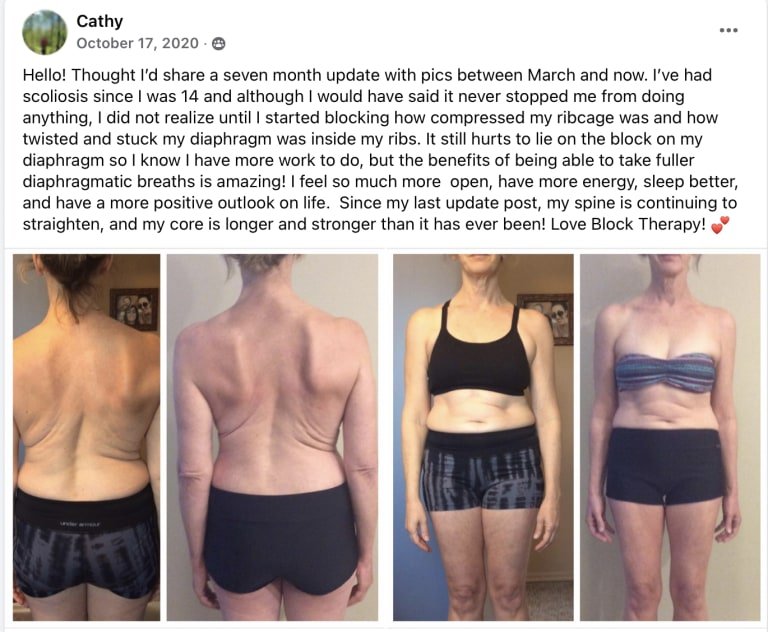
Block Therapy: Real Results From Real People



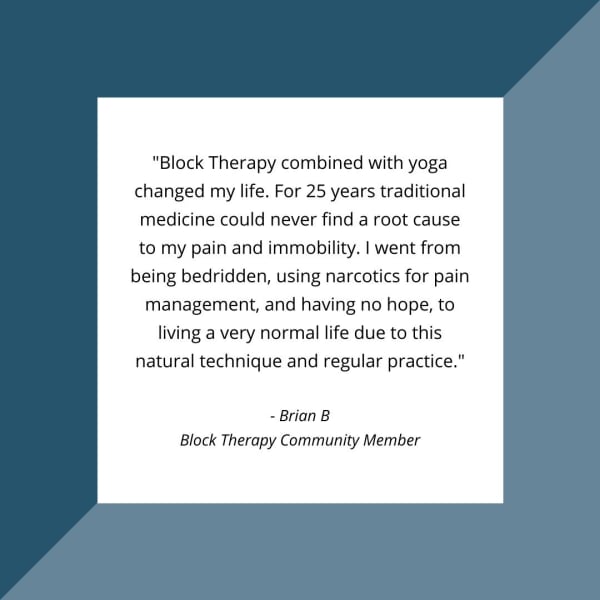
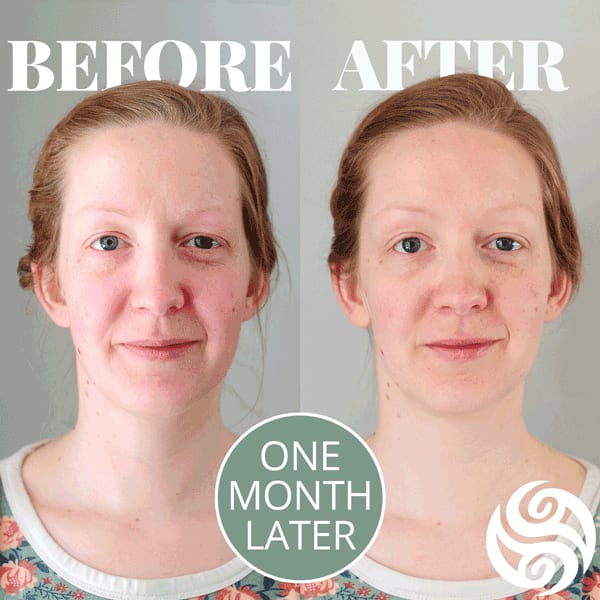
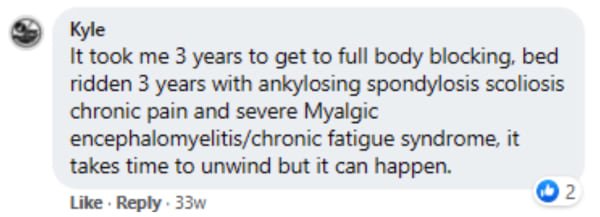
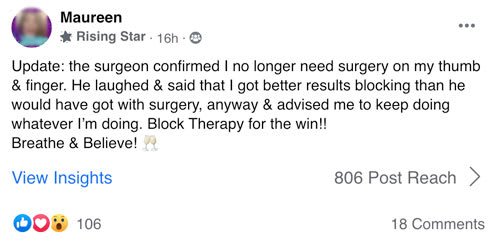

*Use discount code LB20 – special offer ends Saturday 11 April
Frequently Asked Questions
Fascia is a connective tissue network that surrounds and interconnects every cell in your body. It acts as the body’s communication system and is made primarily of collagen (structure) and elastin (mobility). When fascia is healthy, there is optimal space around cells, allowing nutrients to enter and toxins to leave efficiently. When it becomes compressed, it can lead to pain, stiffness, poor circulation, and disease.
Block Therapy is a fascia decompression technique that uses sustained pressure combined with diaphragmatic breathing to release adhesions (tight, stuck areas) in the fascia. By applying pressure over time, it increases blood flow, brings oxygen into tissues, melts adhesions, and restores alignment. It works deeply into the body rather than just on the surface.
Fascia becomes compressed due to gravity, poor posture, repetitive movements, injuries, emotional stress, and environmental factors. Over time, collagen fibers can bind together and create adhesions that restrict movement and flow in the body.
Block Therapy may help with chronic pain, stiffness, poor posture, digestive issues, inflammation, lymphatic congestion, injuries, stress, emotional tension, and reduced mobility. Because fascia connects everything, improving it can benefit the entire body.
Yes. The method emphasizes diaphragmatic breathing, which activates the diaphragm muscle properly. This improves oxygen delivery, supports detoxification, massages internal organs, and enhances overall cellular function.
Yes. The exercises can be adapted for all levels. You can use a towel instead of a block, perform movements on a bed or chair, and adjust pressure according to your comfort level. Your breath always guides the intensity.
You may feel discomfort in areas where fascia is tight, but it should always be manageable. Pain is used as feedback, not something to push through forcefully. With proper breathing, discomfort typically reduces over time.
Some people notice immediate improvements such as increased mobility or reduced tension. More significant changes typically occur over days or weeks of consistent practice.
No. Many people experience improvements without changing anything else. However, combining this work with healthy habits can enhance results.
Ideally, practice for about 20–30 minutes per day. Consistency is key. Over time, it becomes part of your daily routine.
Yes. By releasing fascia and restoring balance, the body naturally moves back toward proper alignment. This can improve posture, reduce strain, and enhance movement efficiency.
Unlike foam rolling, which works mostly on surface layers, Block Therapy uses sustained pressure and breath to reach deeper layers of fascia. It targets the root causes of tension rather than just temporary relief.
Yes. Programs often include access to community groups, live sessions, and support from trained practitioners.
Disclaimer: The ideas, procedures, and suggestions contained in this material are not intended to replace a one on one relationship with a qualified healthcare professional and are not intended as medical advice. Always consult a knowledgeable medical professional about your symptoms. Neither the author nor publisher has any control and does not assume any responsibility for author or third party websites or their content. © ElectricSense.